what is WPC Boards
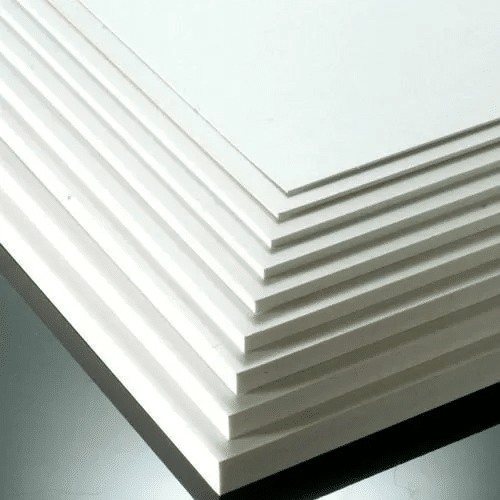
When building or renovating, you want materials that last long, look great, and don’t give you endless maintenance headaches. That’s where WPC board (Wood Plastic Composite board) comes in. Made from a blend of wood fibers and thermoplastic resins, WPC combines the natural look of wood with the durability of plastic.
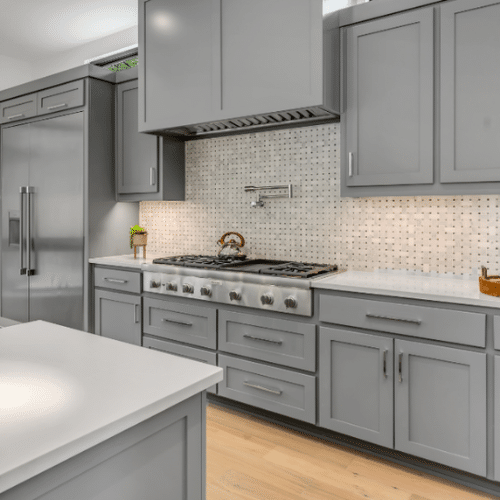
Unlike regular plywood or MDF, WPC is waterproof, termite-proof, and weather-resistant. This makes it a popular choice for kitchens, bathrooms, outdoor cladding, furniture, and decorative wall panels.
In this detailed guide, you’ll learn:
👉 Types of WPC boards and their applications
👉WPC board price and cost factors
👉 Thickness options and where to use them
👉 Benefits of WPC compared to alternatives like plywood, PVC, and timber
👉 Installation tips and buyer’s checklist
👉 Why Anupam Plastics is trusted for WPC boards
Benifits
👉 Waterproof: Does not swell or warp when exposed to moisture.
👉 Termite-Proof: Safe from insect attacks unlike wood and plywood.
👉 Weather-Resistant: Suitable for both indoor and outdoor applications.
👉 Low Maintenance: No need for frequent painting, polishing, or sealing.
👉 Durable: Lifespan of 15–20 years in outdoor applications, even longer indoors.
👉 Eco-Friendly: Made using recycled wood and plastic materials.
👉 Versatile Finishes: Available in smooth, textured, and wood-grain styles.
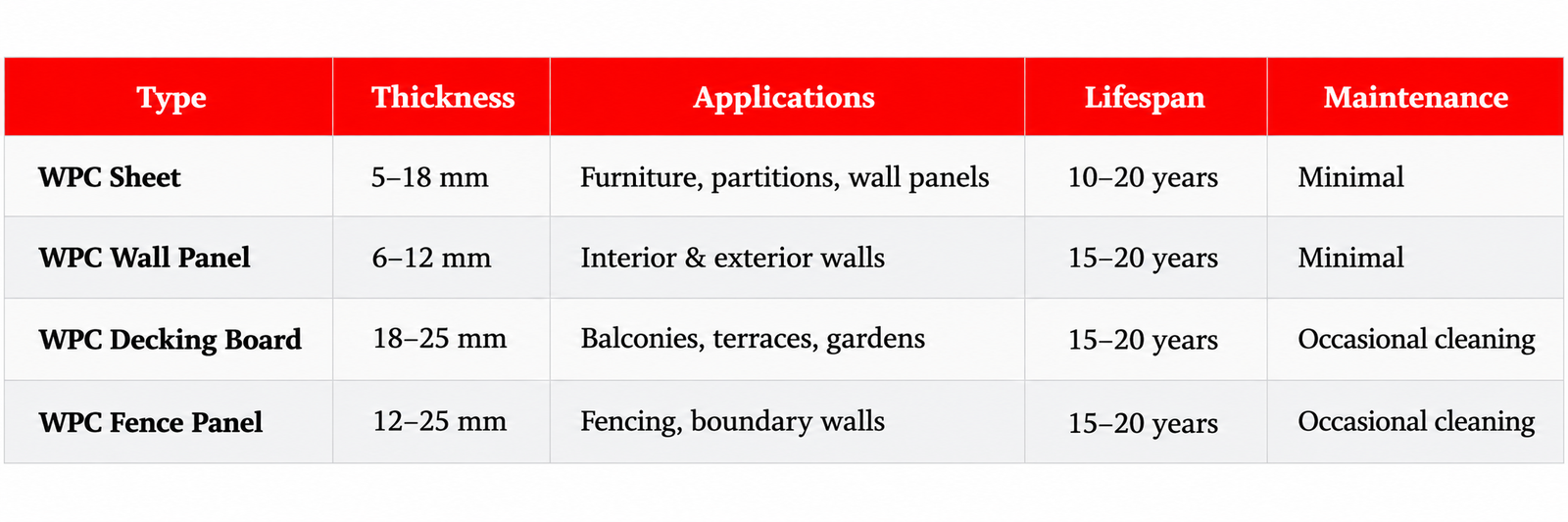
Comparison Table of WPC Products
WPC Sheet For Furniture
Product Specifications:
Minimum Order Quantity: 10 pieces
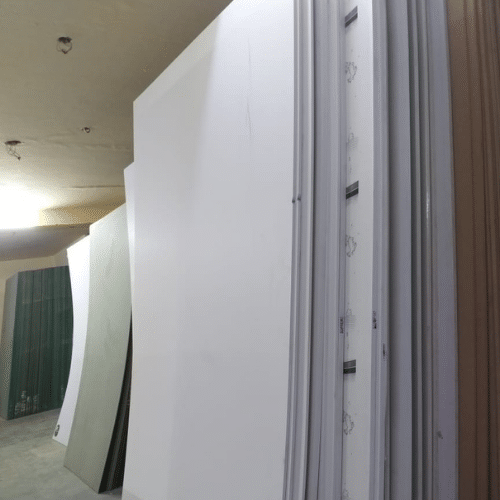
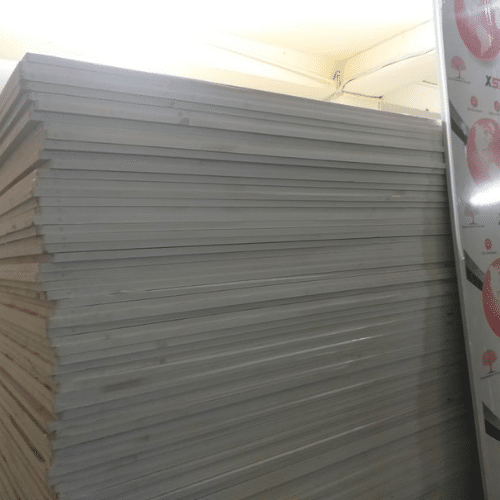
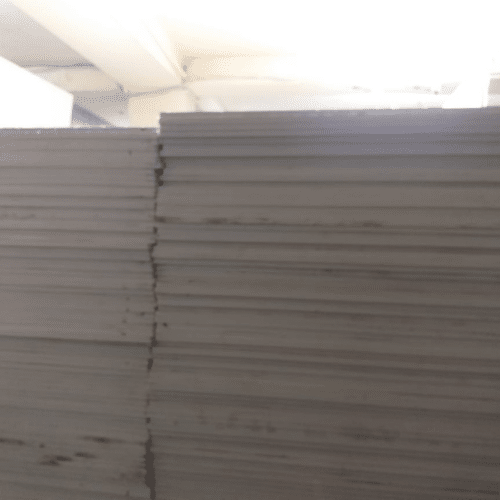
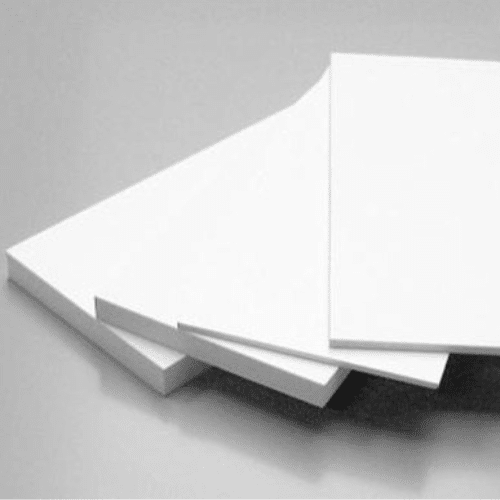
Thickness Options: 5mm, 6mm, 8mm, 12mm & 18mm
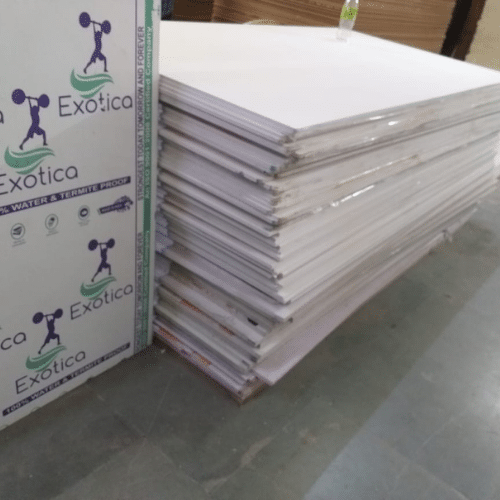
Sheet Size: 8×4 ft (32 sq ft each)
Color: White (easy to paint, laminate, or veneer)
Material: Wood Plastic Composite Board
Reasons to Buy
Standardized sizes make budgeting and cutting easier
Durable boards suitable for both interior and exterior use
White finish allows versatile design customization
Trusted supplier with consistent product quality
MOQ of 10 sheets is convenient for both contractors and retail buyers
Common Mistakes to Avoid :
Using thin boards (5–6 mm) for heavy-duty furniture
Not leaving expansion gaps during installation
Ignoring cutting waste in cost calculation
Assuming all WPC products have the same quality