What is a Transparent Sheet?
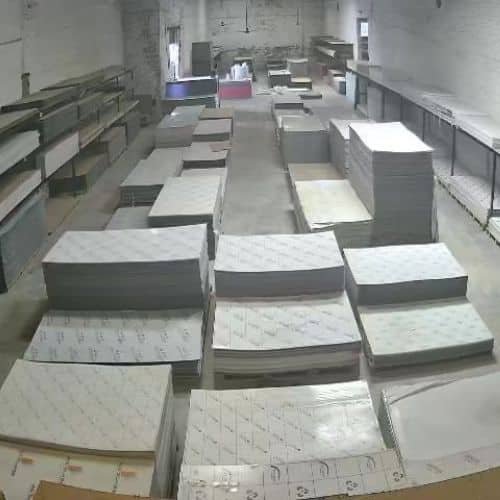
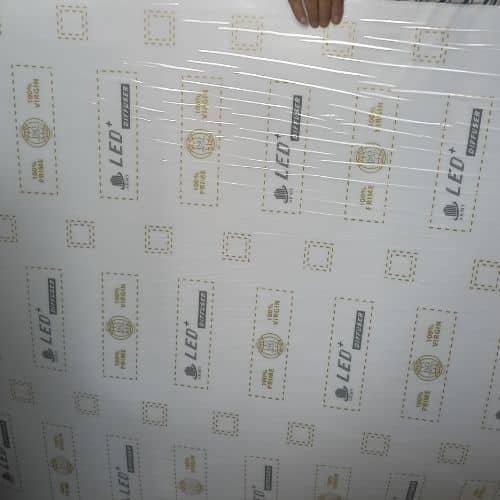
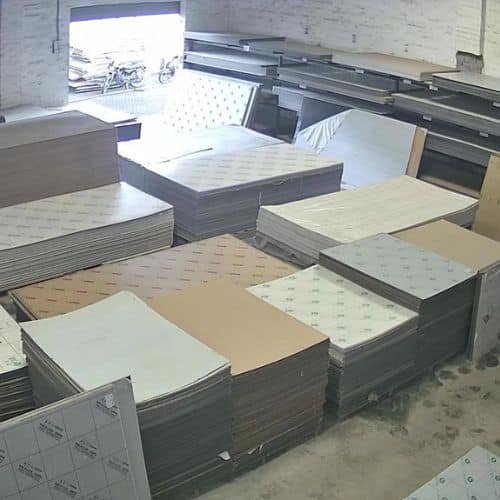
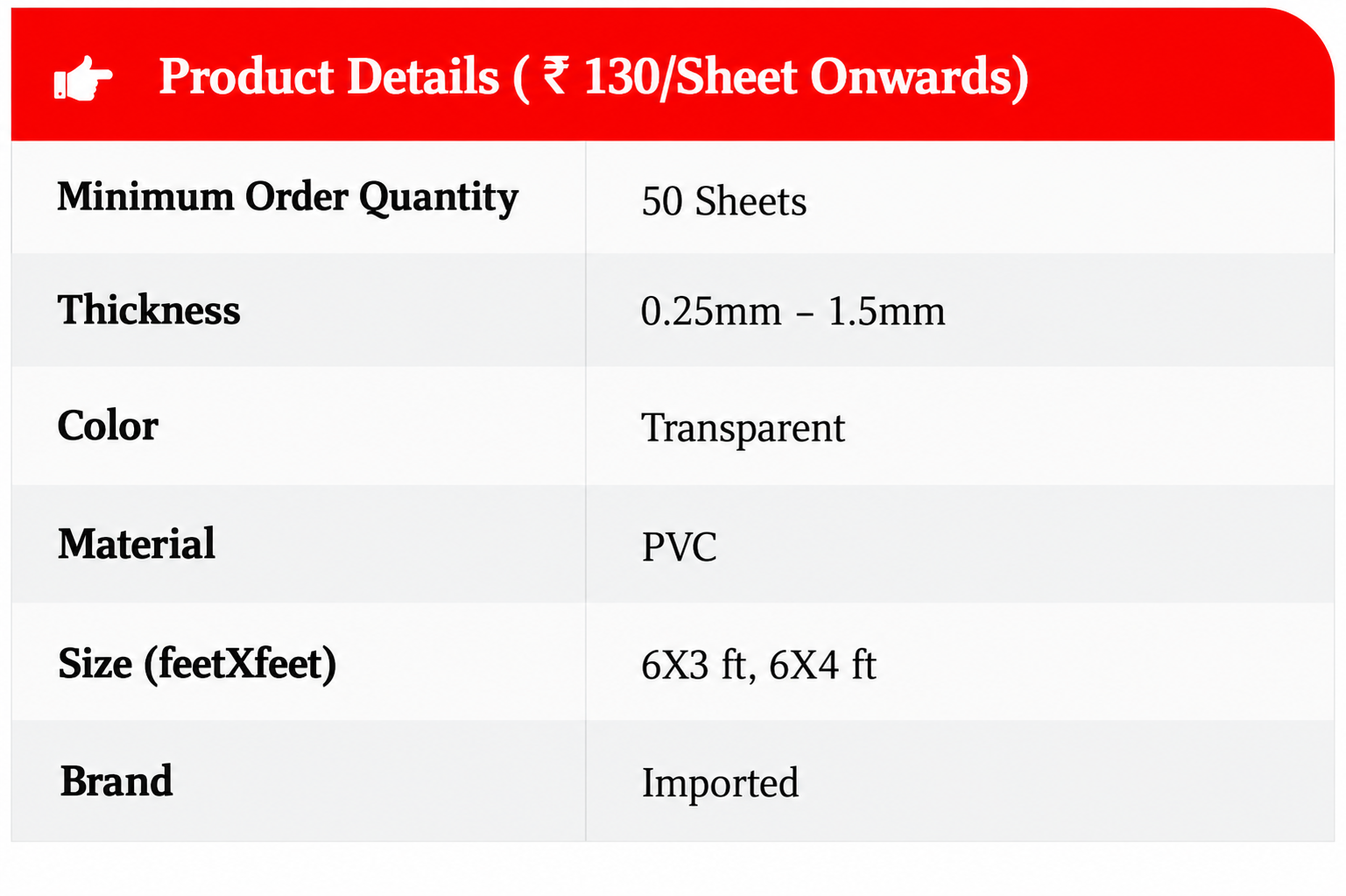
A transparent sheet is a flat, clear plastic panel used for protecting, covering, glazing, and displaying while allowing light and visibility. At Anupam Plastics we supply high-quality transparent PVC sheet in standard sizes (6×3 ft and 6×4 ft) and thicknesses from 0.25mm to 1.5mm. Transparent sheets include many materials—clear plastic sheets, clear acrylic sheet (Perspex), clear polycarbonate sheet, and clear vinyl sheets—each suited to different needs.
In this guide you will learn the types of transparent sheets, clear comparisons to alternatives (like 3mm clear acrylic sheet and clear polycarbonate roofing sheets), practical installation and maintenance advice, and how to choose the exact sheet for your project.

Types of Transparent Sheets
Transparent PVC Sheet (Clear PVC Sheet)
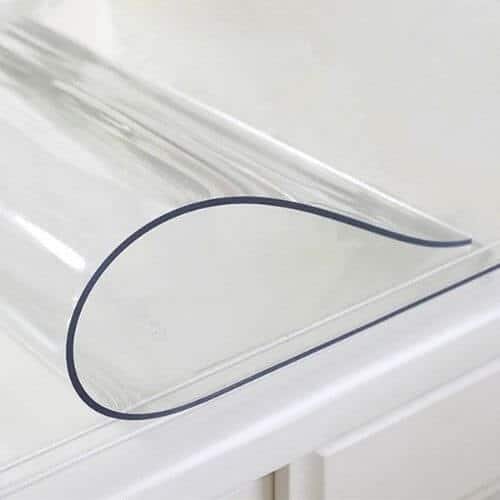
Description: Flexible to semi-rigid clear plastic made from polyvinyl chloride. Available in thin gauges (0.25–1.5mm) which makes it ideal for overlays, covers, pockets, and protective glazing.
Best for: Document covers, menu covers, interior signage, printing overlays, and packaging windows.
Clear Acrylic Sheet (Perspex / Plexiglass)
Description: Rigid and highly transparent plastic often sold as clear acrylic sheet or Perspex. Known for clarity and polishable edges. Common thicknesses include 3mm (e.g., 3mm clear acrylic sheet) and higher.
Best for: Point-of-sale displays, picture frames, signage, and glazing where scratch resistance and gloss are important.
Clear Polycarbonate Sheet
Description: Extremely tough, high-impact plastic often used where safety and durability matter. Available as solid sheets and corrugated roofing panels (clear polycarbonate roofing sheets).
Best for: Protective guards, skylights, roofing where impact resistance is required.
Clear Vinyl Sheets (PVC-Vinyl)
Description: Soft, highly flexible transparent plastic used for curtains, covers, and protective barriers. Often used in industrial and retail settings as a low-cost transparent solution.
Best for: Strip curtains, temporary screens, table covers, and overlays.

Use Cases: Where Transparent Sheets Work Best
Transparent sheets are extremely versatile. Below are practical, real-world uses where each material shines:
Retail & POS displays: Clear acrylic for rigid displays; clear PVC for overlays and temporary covers.
Document and menu covers: 0.25–0.5mm transparent PVC keeps pages safe and visible.
Packaging windows: Transparent PVC or thin clear vinyl provides an inexpensive window that shows product inside.
Protective screens & sneeze guards: Rigid acrylic or polycarbonate preferred; PVC used for temporary barriers.
Signage & printing: Clear plastic sheets serve as substrates for graphics and UV printing.
Industrial curtains & partitions: Clear vinyl offers flexible, durable separation with visibility.
Craft & DIY: Transparent sheets cut easily for templates, stencils, and overlays.
Benefits & Advantages of Choosing Transparent Sheets
Why choose a transparent sheet for your project? Here are the main benefits:
Visibility: Allow light and sight while providing protection.
Lightweight: Easier and cheaper to handle than glass.
Cost-effective: Thin PVC sheets are economical for mass uses like packaging.
Flexible options: Choose from ultrathin 0.25mm to rigid 1.5mm based on need.
Easy fabrication: Cutting, trimming, and die-cutting are straightforward—ideal for custom sizes.
Moisture resistance: PVC and vinyl resist water, making them suitable for wet environments.
Printability: Great substrate for digital and screen printing.